EN
EN
 AR
AR NL
NL FR
FR IT
IT JA
JA PT
PT RU
RU ES
ES ID
ID TR
TR MS
MS

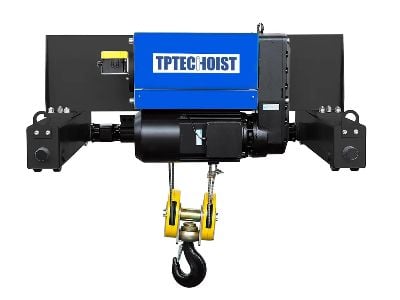
Understanding Single and Double Girder Overhead Cranes: Choosing the Right Solution for Your Business
When it comes to lifting and moving heavy materials in factories, warehouses, and industrial facilities, overhead cranes play a critical role in improving productivity and workplace safety. These systems are designed to handle loads efficiently while reducing manual labor and operational risks.
One of the most important considerations when selecting an overhead crane is understanding the difference between single girder and double girder designs. Each type offers unique advantages depending on your lifting requirements, workspace limitations, and budget. Understanding these differences can help businesses choose the most effective solution for their operations.
What's the Difference Between Single and Double Girder Overhead Cranes?
The primary distinction between single girder and double girder overhead cranes lies in the number of main beams, or girders, that support the lifting mechanism.
Single Girder Overhead Cranes
A single girder crane uses one main beam to support the trolley and lifting equipment. The trolley is typically suspended beneath the beam, creating a simpler and more lightweight structure.
Single girder cranes are commonly used for lighter lifting applications and facilities that do not require maximum lifting height. Because of their simpler design, they are generally more affordable to purchase, install, and maintain. They are ideal for workshops, assembly lines, warehouses, and small manufacturing facilities where moderate lifting capacity is sufficient.
Many single girder systems can be paired with a chain hoist or other lifting mechanisms, providing a cost-effective solution for routine material handling tasks. Their lightweight structure also reduces the load placed on the building framework, lowering installation costs.
Double Girder Overhead Cranes
Double girder cranes feature two parallel girders that support a trolley running between them. This design offers greater strength, higher lifting capacities, and increased hook height compared to single girder models.
Industries such as steel production, heavy manufacturing, shipbuilding, and automotive assembly often rely on double girder cranes to handle large and heavy components. The enhanced structural stability allows for more precise load positioning and smoother operation when moving substantial weights.
These cranes are frequently equipped with advanced lifting systems, including a hoist electric configuration designed for continuous heavy-duty operation. Their ability to maximize lifting height makes them particularly useful in facilities with limited floor space but high vertical storage requirements.
Why Is Understanding Girder Types Important for Your Business?
Selecting the right crane system is not simply about choosing the strongest option. The best choice depends on operational needs, lifting frequency, available space, and budget considerations.
For businesses handling lighter materials and moderate workloads, a single girder crane often provides the ideal balance of performance and affordability. Its simpler structure reduces maintenance requirements while delivering reliable lifting capabilities.
On the other hand, companies that regularly move heavy machinery, steel components, or large industrial equipment may benefit from the superior lifting capacity and durability of a double girder system. These cranes are engineered for demanding environments where reliability and precision are essential.
Evaluating your operational requirements carefully can help ensure long-term efficiency while avoiding unnecessary costs.
How Do You Choose the Right Overhead Crane Girder?
Several factors should be considered when selecting an overhead crane system:
Lifting Capacity
Determine the maximum weight your crane will need to handle. Lightweight applications may only require a single girder design, while heavier loads typically demand a double girder configuration.
Lifting Height
If your facility requires maximum vertical lifting space, a double girder crane often provides a significant advantage due to its higher hook travel.
Usage Frequency
For occasional lifting tasks, a single girder system may be sufficient. Facilities with continuous or high-intensity operations should consider more robust solutions designed for long-term performance.
Facility Layout
Building dimensions, ceiling height, and structural support capabilities all influence crane selection. A thorough site assessment can help determine the most suitable configuration.
Budget Considerations
While double girder cranes offer greater capabilities, they typically involve higher initial investment and installation costs. Single girder systems provide a more economical solution for many applications.
Single Girder vs. Double Girder: Which Is Better?
There is no universal answer, as each design serves different operational needs.
Single girder cranes are generally preferred for:
Light to moderate lifting requirements
Lower installation costs
Simpler maintenance
Limited operational demands
Double girder cranes are often chosen for:
Heavy lifting applications
Greater lifting heights
Enhanced load stability
Continuous industrial operations
The right choice depends on balancing performance requirements with available resources and future growth plans.
Where Can You Find Quality Overhead Crane Girders for Wholesale Purchase?
When sourcing overhead crane girders in bulk, quality and supplier reliability are essential. Businesses should look for manufacturers with proven expertise in crane systems, strong industry reputations, and transparent production processes.
Key factors to evaluate include:
Material quality and manufacturing standards
Product certifications and compliance
Warranty coverage
Technical support and after-sales service
Production capacity and delivery timelines
Reliable suppliers can provide consistent product quality and ensure that crane systems operate safely and efficiently over the long term.
Why Are Electric Hoisting Systems Important?
Modern overhead cranes often incorporate an electric chain hoist to improve lifting efficiency and operational control. These systems provide smooth load handling, precise positioning, and dependable performance across a wide range of industrial applications.
Compared to manual lifting methods, electric hoists reduce operator fatigue, improve workplace safety, and increase productivity. Whether used with single or double girder cranes, they are a valuable component of modern material handling systems.
Conclusion
Understanding the differences between single and double girder overhead cranes is essential when selecting the right lifting solution for your facility. Single girder cranes offer an economical and efficient option for lighter applications, while double girder cranes provide the strength, stability, and lifting height required for demanding industrial environments.
By evaluating factors such as lifting capacity, operational frequency, facility layout, and budget, businesses can make informed decisions that improve efficiency, safety, and long-term performance. Combined with reliable lifting equipment such as a chain hoist, hoist electric system, or electric chain hoist, the right overhead crane can become a valuable asset for any operation.
Table of Contents
- What's the Difference Between Single and Double Girder Overhead Cranes?
- Why Is Understanding Girder Types Important for Your Business?
- How Do You Choose the Right Overhead Crane Girder?
- Single Girder vs. Double Girder: Which Is Better?
- Where Can You Find Quality Overhead Crane Girders for Wholesale Purchase?
- Why Are Electric Hoisting Systems Important?
- Conclusion